24/7 Emergency Tree Removal in DFW
When a storm takes down a tree at 2 a.m. or a massive limb crashes onto your roof, you need help now. Call us any time, day or night.
Storms Don't Wait. Neither Do We.
Living in the Dallas-Fort Worth area means dealing with some serious weather. Spring thunderstorms, summer microbursts, ice storms in winter, and the occasional straight-line wind event that flattens trees across entire neighborhoods. When the damage happens, it's sudden, it's stressful, and it usually happens at the worst possible time.
That's why Green Image Tree Service runs a 24/7 emergency response operation. Our crews are on call around the clock, and we carry the equipment to handle just about anything a Texas storm can throw at your property. We've been doing this in DFW for years, and we've seen it all.
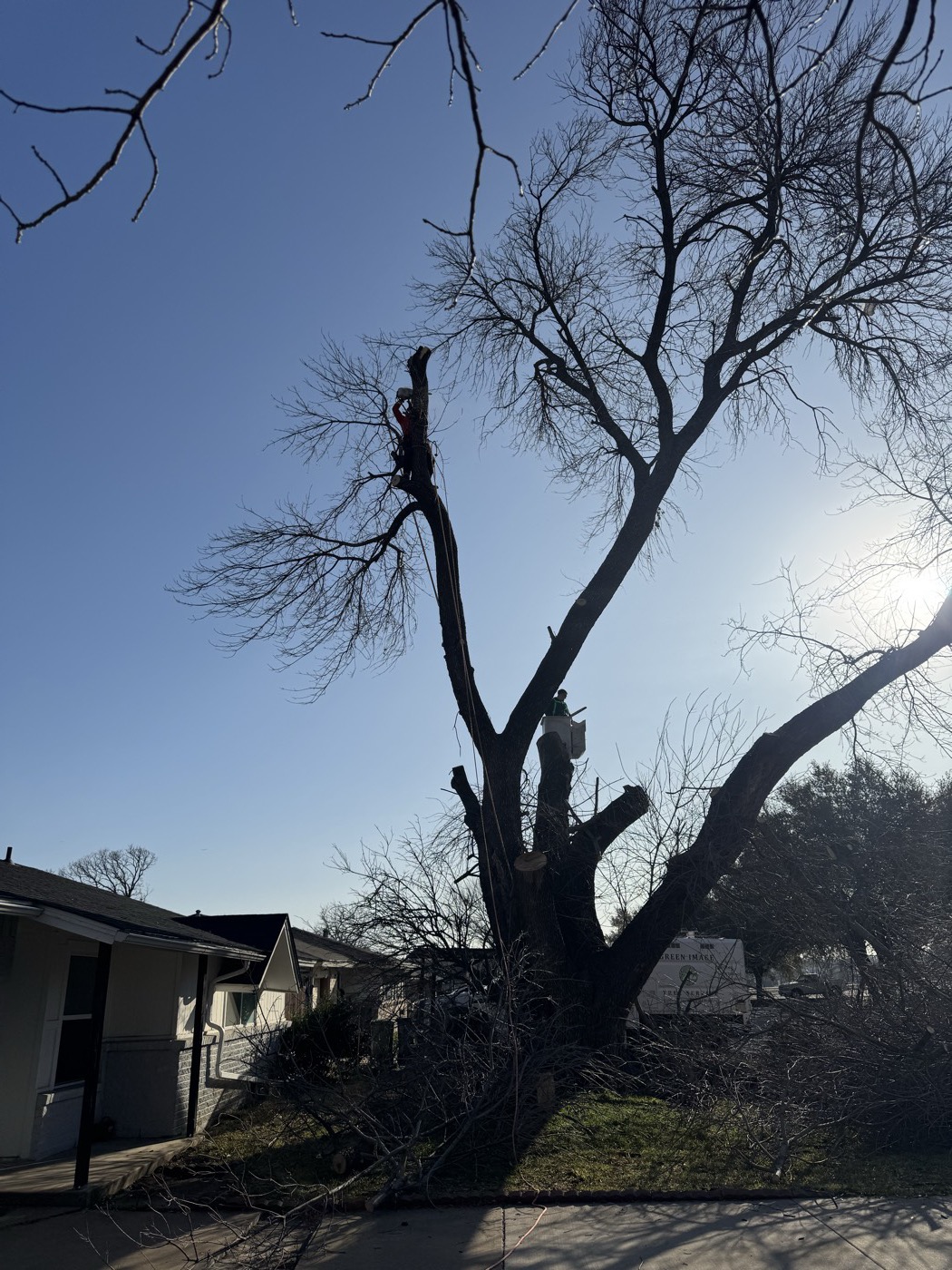
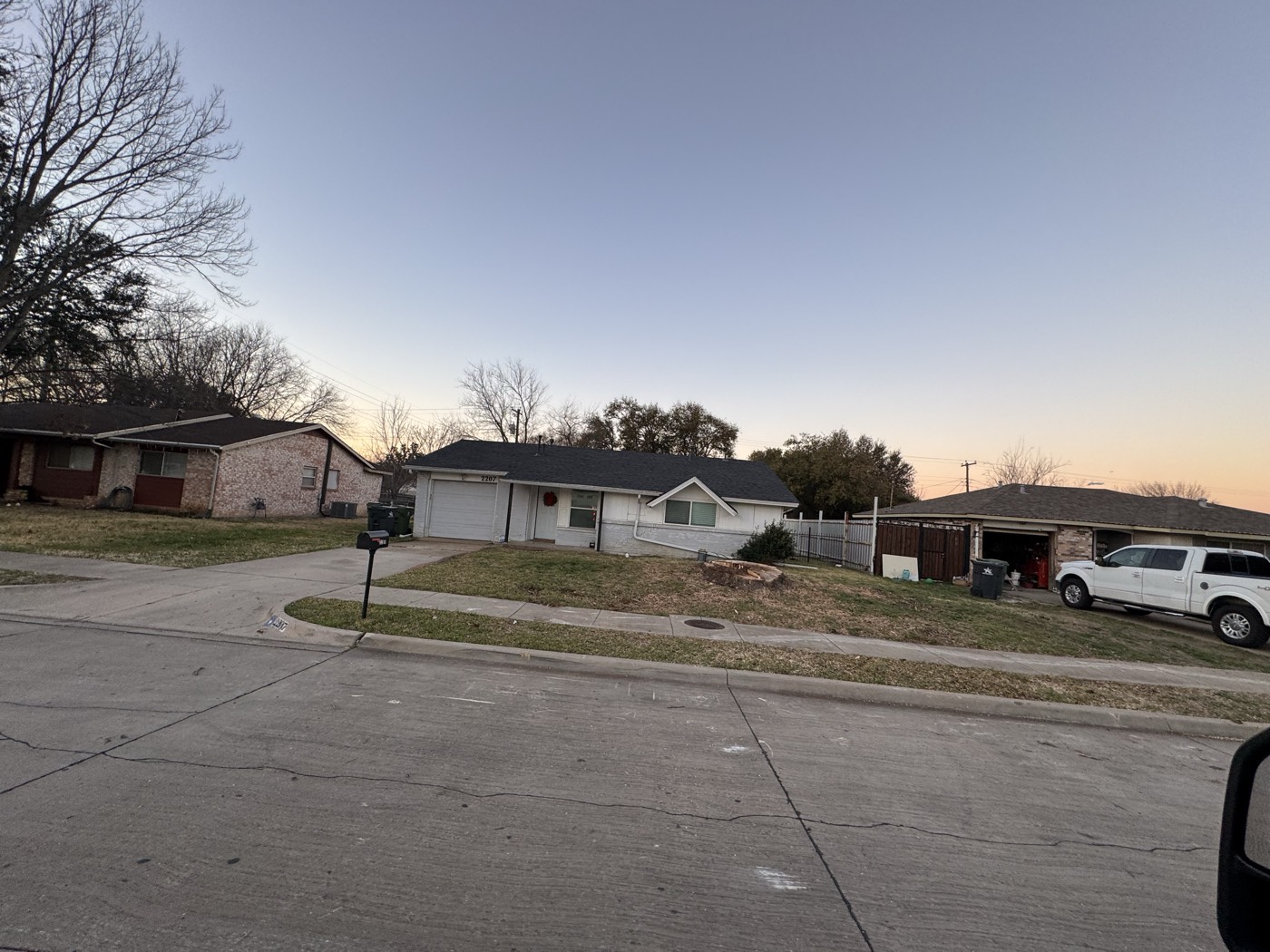
What Counts as a Tree Emergency?
Not every downed limb is an emergency, but plenty of situations absolutely are. Here are the most common calls we respond to:
Trees on Structures
This is the big one. A tree falls on your house, crashes through the roof, takes out your garage, or lands on your car. When that happens, the clock is ticking. Water can pour in through a damaged roof in minutes, and the weight of the tree can cause further structural collapse the longer it sits. We get crews out fast to remove the tree, tarp the opening, and prevent additional damage while you line up repairs.
Trees Blocking Driveways and Roads
A fallen tree across your driveway means you can't get out, and nobody can get in. If it's blocking a road in your neighborhood, it's a safety hazard for everyone driving through. We'll cut and clear the tree so traffic can flow again, and we haul away the debris so you're not left with a pile of wood to deal with.
Hazardous Hanging Limbs
Sometimes a limb breaks but doesn't fall all the way. It hangs up in the canopy, swinging in the wind, ready to come down on whoever walks underneath. Tree workers call these "widow makers" for a reason. They're unpredictable, heavy, and dangerous. Don't try to knock them down yourself. Our climbers can safely remove hanging limbs without causing further damage to the tree or your property.
Trees Leaning on Power Lines
If a tree or large limb is touching power lines, do not go near it. Call your electric provider first, then call us. We coordinate with utility companies to safely remove trees from power infrastructure. Our crews are trained for this kind of work and know the clearance requirements that keep everyone safe.
Uprooted Trees
Heavy rain saturates the soil, and wind does the rest. A tree that pulls up its root plate can leave a crater in your yard, tear up underground utilities, and threaten nearby structures as it settles. Even if it hasn't hit anything yet, an uprooted tree is unstable and needs to be removed before it shifts further.
Our Emergency Response Process
Here's what happens when you call us for an emergency:
Step 1: You call 817-779-1365. We answer our phones around the clock. You'll talk to a real person who can assess your situation and dispatch a crew. We don't use answering services or automated call routing.
Step 2: We get a crew rolling. For active emergencies where a tree is on a structure, threatening safety, or blocking access, we aim to have a crew on site within 1-2 hours across the DFW metro. Response time depends on storm volume, but we prioritize the most dangerous situations first.
Step 3: Assessment and stabilization. When our crew arrives, they assess the scene for safety hazards like downed power lines, structural instability, and gas leaks. If the situation involves utilities, we coordinate with the appropriate providers before starting work.
Step 4: Tree removal and cleanup. Our crews use professional-grade equipment to safely dismantle and remove the tree. We cut it into manageable sections, chip the brush, and haul everything away. If your roof or structure is exposed, we can tarp it to prevent water intrusion until your roofer can get there.
Step 5: Documentation for insurance. We take photos, provide detailed invoices, and can work directly with your insurance adjuster if needed. We've done this hundreds of times, and we know exactly what documentation the insurance company wants to see.
What To Do When a Tree Emergency Happens
The first few minutes after a tree comes down can be chaotic. Here's a simple checklist to help you stay safe and get things moving in the right direction:
Get everyone away from the tree. Don't walk under it, don't try to move it, don't climb on it. Trees can shift without warning, and broken branches can snap and fall at any moment.
Check for power lines. If you see downed wires anywhere near the tree, stay at least 30 feet away. Call 911 and your electric company. A downed power line can energize the ground around it, making the entire area dangerous even if the wire isn't visibly sparking.
Take photos. Once you're in a safe spot, document the damage with your phone. Get wide shots of the tree, close-ups of structural damage, and photos of any personal property affected. Your insurance company will want these.
Call your insurance company. Report the claim as soon as possible. The sooner you file, the sooner an adjuster can come out. Let them know you're arranging tree removal and ask about their preferred process for emergency work.
Call us at 817-779-1365. We'll get a crew to you as quickly as we can. Give us the basics over the phone: what happened, what the tree is touching, and whether there are any utility lines involved.
Navigating Insurance Claims After Storm Damage
Dealing with insurance after a tree hits your property is one of the most stressful parts of the whole experience. We've helped hundreds of DFW homeowners through this process, and we know how to make it smoother.
Most homeowner's insurance policies cover tree removal when the tree damages an insured structure like your house, garage, shed, or fence. The removal cost is typically included as part of the overall damage claim. Your policy may also cover debris removal up to a certain dollar amount.
Here's where it gets tricky: if a tree falls in your yard but doesn't hit any structures, most policies won't cover the removal. You're on the hook for that cost yourself. It's frustrating, but that's how most standard policies work.
We provide detailed, itemized invoices that insurance adjusters can work with easily. We also include photo documentation of the tree's position before removal, the damage it caused, and the completed cleanup. If your adjuster wants to talk to us directly, we're happy to take that call.
One thing worth knowing: some insurance companies try to lowball the tree removal cost. If your adjuster quotes a number that seems too low, push back. Tree removal involving a structure is specialized, dangerous work, and it costs more than a simple yard tree takedown. We can provide our estimate to help you make the case.
Storm Damage We See Most Often in DFW
Every storm is different, but certain types of damage come up again and again in North Texas:
Bradford Pear splits. These trees are everywhere in DFW, and they're notorious for splitting apart in storms. The branch structure is weak by design, and once they reach 15-20 years old, it's just a matter of time. If you have Bradford Pears on your property, consider having them evaluated before the next storm season.
Silver Maple blowdowns. Silver Maples grow fast and have soft, brittle wood. High winds snap their branches like toothpicks. We remove more storm-damaged Silver Maples than just about any other species in the metroplex.
Post Oak root failure. The clay soils in DFW expand and contract dramatically with wet and dry cycles. Post Oaks sometimes lose their grip in saturated soil, and the whole tree comes down root ball and all.
Dead limb drops. Not every emergency involves a whole tree. Sometimes a single dead branch the size of a telephone pole breaks loose and crushes a car, punches through a roof, or blocks a sidewalk. Regular trimming and deadwood removal can prevent most of these situations.
Why Green Image for Emergency Tree Work
When you're dealing with a tree emergency, you want a company that shows up fast, knows what they're doing, and doesn't take advantage of you during a crisis. Here's why DFW homeowners call us:
We answer our phones 24/7. Real people, not voicemail. When you're standing in your yard at midnight looking at a tree on your roof, you don't want to leave a message and hope someone calls back.
We have the right equipment. Cranes, bucket trucks, large-capacity chippers, and the rigging gear to handle trees in tight spaces or on structures. We don't show up with a pickup truck and a chainsaw.
We're licensed and insured. Full liability coverage and workers' compensation. If something goes wrong during the removal, you're protected. This matters more than most people realize, especially during emergency situations where the work is inherently more dangerous.
Fair pricing, even in emergencies. We don't gouge people after storms. Our emergency rates are reasonable, and we provide clear estimates before starting work. No hidden fees, no surprise charges at the end.
We serve the entire DFW metroplex. Arlington, Dallas, Fort Worth, Keller, Southlake, McKinney, Frisco, Allen, Plano, Flower Mound, and everywhere in between. If you're in the metro, we can get to you.
Preventing Tree Emergencies Before They Happen
The best emergency is the one that never happens. Regular tree maintenance goes a long way toward keeping your trees healthy and your property safe during storms. Here's what we recommend:
Annual inspections. Have an arborist walk your property once a year and look for dead branches, decay, structural weaknesses, and signs of root problems. Catching issues early is always cheaper than dealing with storm damage later.
Routine pruning. Proper pruning removes dead and weak branches, reduces wind resistance, and improves the tree's overall structure. A well-maintained tree is far more likely to survive a storm intact.
Cable and brace vulnerable trees. If you have a large tree with a structural weakness like a split trunk or co-dominant stems, cabling and bracing can add years of safe life to that tree. It's a fraction of the cost of emergency removal.
Remove problem trees proactively. If a tree is dead, dying, or leaning toward your house, take it down on your terms. Planned removal is safer, cheaper, and less disruptive than emergency work after the tree falls on its own.
Frequently Asked Questions
We aim to be on site within 1-2 hours for active emergencies in the DFW area. If a tree is on your house, blocking your driveway, or threatening power lines, we prioritize those calls and get a crew moving as quickly as possible. During major storms with high call volume, response times may be longer, but we triage by severity to make sure the most dangerous situations get handled first.
Our crews do not climb or operate equipment during lightning, high winds, or active severe weather. That's a safety issue we won't compromise on. We will respond as soon as conditions are safe enough for our team to work. In practice, that usually means we're rolling within 30 minutes of a storm cell passing through your area.
In most cases, yes, as long as the tree damaged an insured structure like your house, garage, shed, or fence. Your policy typically covers the removal cost as part of the overall damage claim. We provide detailed invoices and photo documentation that make the claims process easier for you and your adjuster.
Usually not. Most standard homeowner's policies only cover tree removal when the tree damages an insured structure. If it just fell in the yard, you'll likely pay out of pocket. The good news is that a simple fallen tree removal (no structures involved) is typically less expensive than a complex structural removal. Call us for a quick estimate.
Stay away from the tree, any downed power lines, and damaged structures. Keep kids and pets inside. If you see sparking wires or smell gas, call 911 immediately. Take photos from a safe distance for your insurance claim. Do not attempt to cut or move the tree yourself, and do not go under or near any part of it. We'll handle all of that when we get there.
Serving Every DFW Community
Green Image provides this service across the Dallas–Fort Worth metroplex. Find local tree care in your city: