Safe, Professional Tree Removal Across the DFW Metroplex
Sometimes a tree has to go. We make sure it comes down the right way, every time.
Nobody wants to cut down a tree if they don't have to. Trees add shade, boost property value, and honestly just make a yard look better. But there are real situations where removal is the only smart option, and putting it off usually makes things worse.
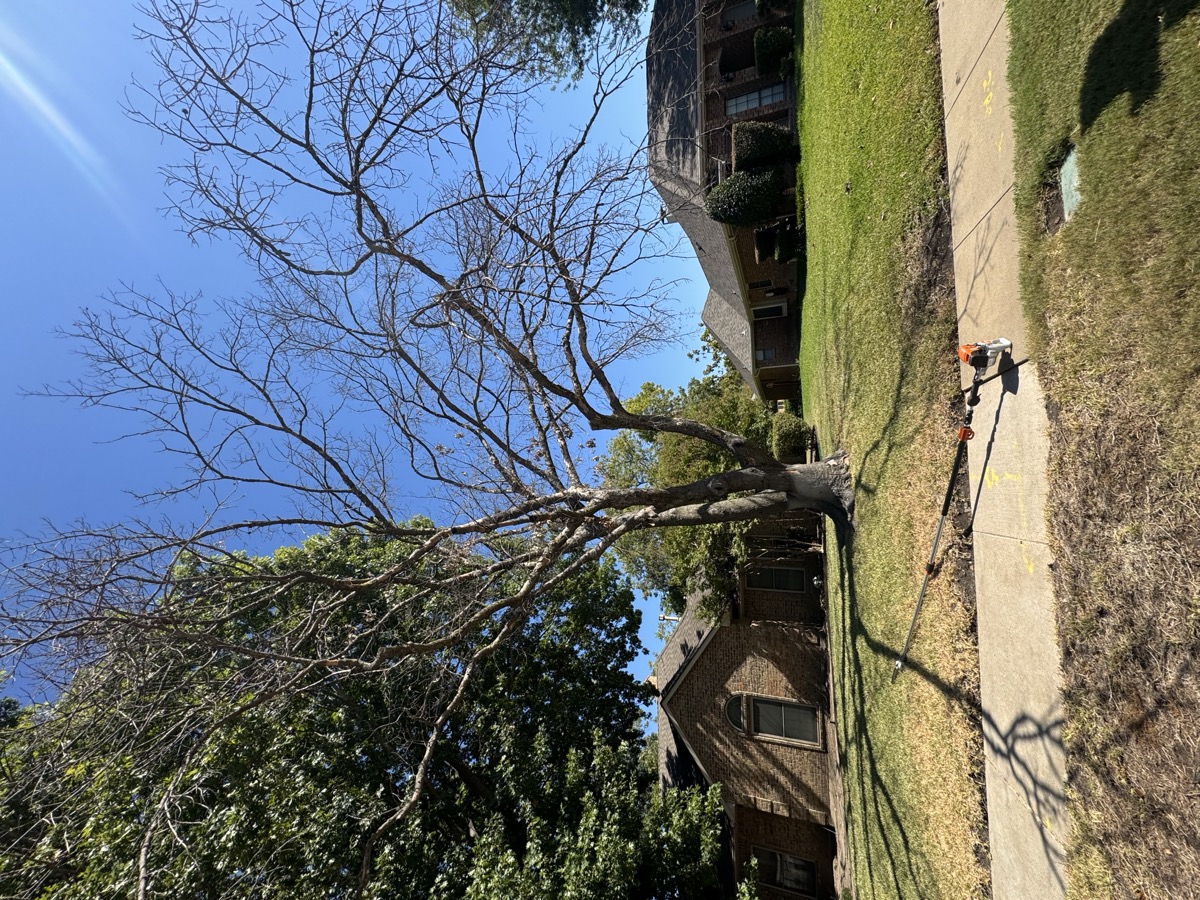
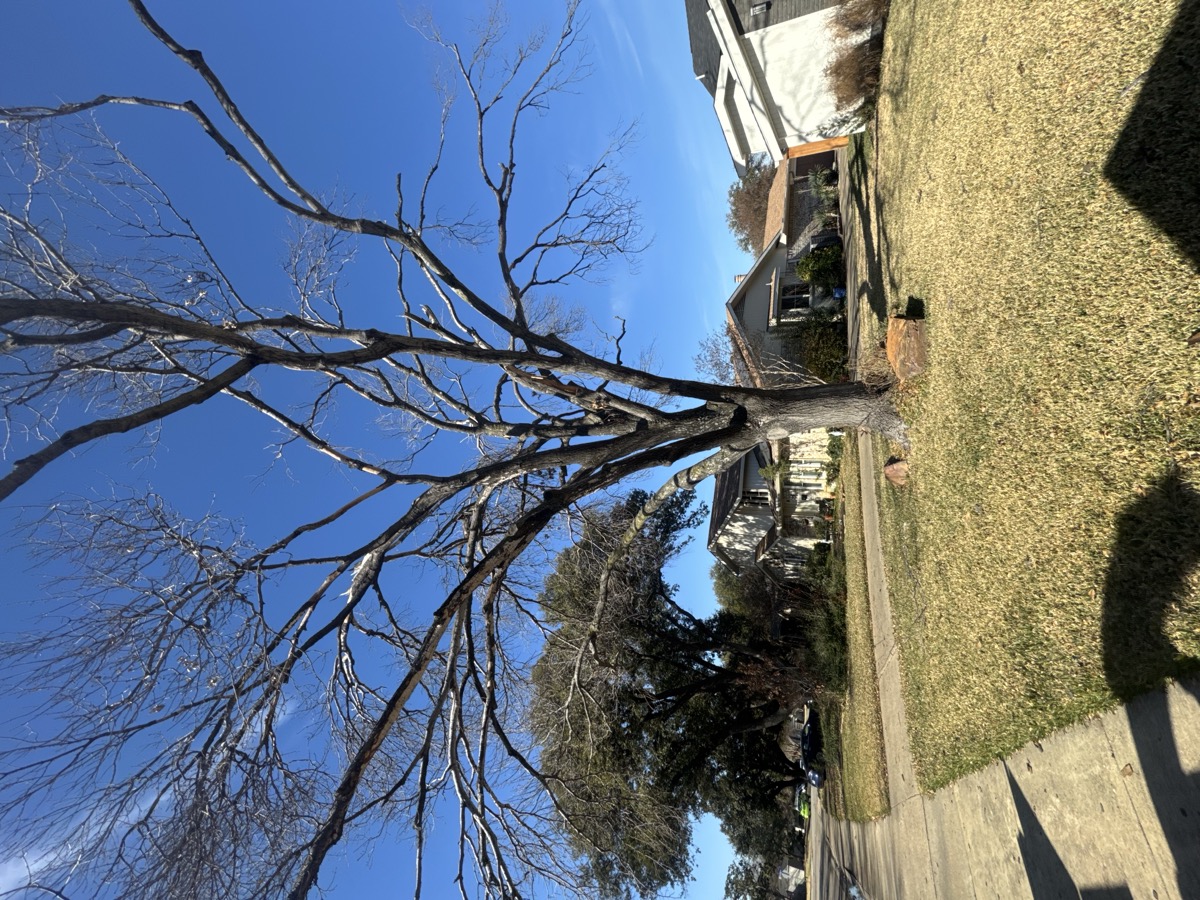
A dead tree is the most obvious case. Once a tree dies, it starts losing structural integrity fast. The wood dries out, branches snap off in light wind, and eventually the trunk itself becomes unstable. We've seen dead oaks in Fort Worth backyards that looked fine from across the street but were completely hollow inside. That's a liability sitting in your yard.
Diseased trees are a close second. Hypoxylon canker, oak wilt, cotton root rot. North Texas has no shortage of tree diseases, and some of them spread quickly to healthy trees nearby. If one of our arborists tells you the tree can't be saved, removing it fast protects the rest of your landscape.
Storm damage is another big one, especially after the spring storms that roll through Arlington and Dallas every year. A tree that's been split down the middle or lost its central leader usually won't recover properly. It'll grow back weak and lopsided, and you'll end up removing it anyway in a couple years.
Then there are the trees that were planted in the wrong spot decades ago. A live oak six feet from your foundation seemed like a good idea in 1985, but now the roots are lifting your driveway and the canopy is scraping your roof. Root barriers and aggressive pruning can only do so much. At some point, the tree and the house can't coexist.
Our Tree Removal Process
We don't just show up and start cutting. Every removal starts with a proper assessment.
Step 1: On-site estimate. One of our crew leads comes out and looks at the tree in person. We check the species, size, lean, condition, and what's around it. Power lines, fences, pools, sheds, other trees. All of that factors into how we plan the removal. The estimate is free, and we'll walk you through exactly what we're going to do.
Step 2: Planning the removal. For straightforward removals, the plan is simple. But for big trees in tight spaces, we map out rigging points, drop zones, and equipment placement before anyone climbs. If we need a crane, we coordinate that ahead of time so everything is ready on removal day.
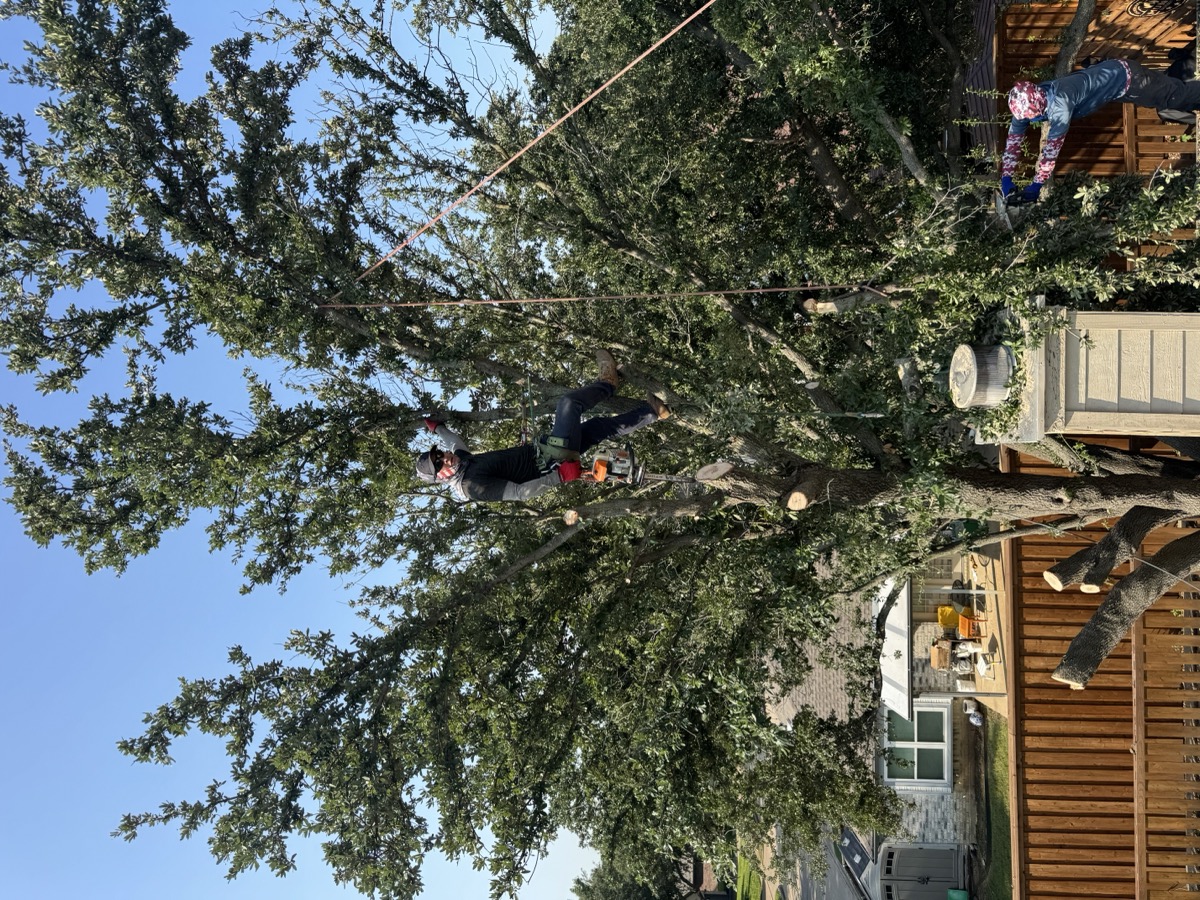
Step 3: The actual removal. Our crew arrives with everything we need. Chainsaws, rigging gear, a chipper, and usually our grapple truck. We start by removing limbs from the top down, lowering them with ropes when necessary. The trunk comes down in sections or, if there's room, we fell it in one piece. It depends on the situation.
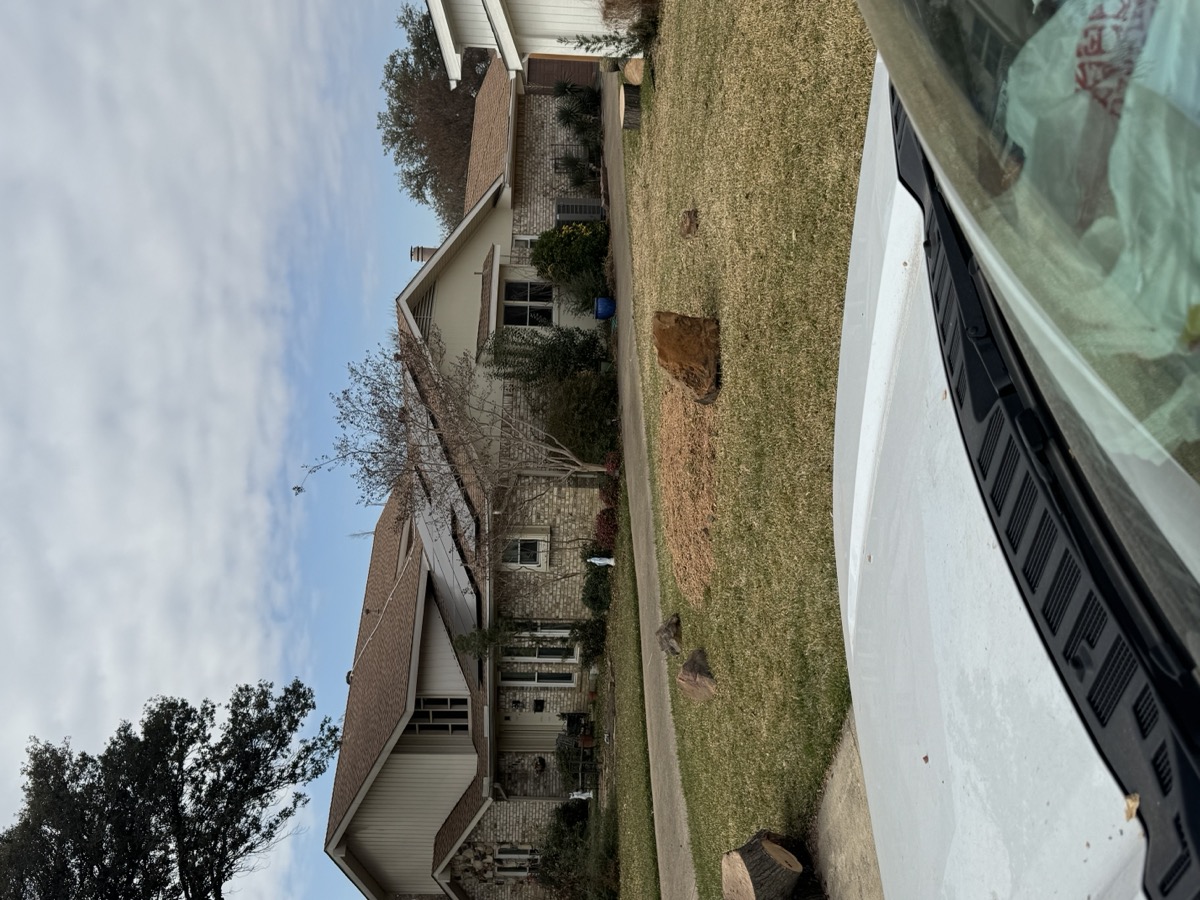
Step 4: Cleanup. This is where a lot of companies cut corners, and we don't. Every branch, every chunk of wood, every pile of sawdust gets cleaned up. We run the brush through the chipper, haul off the wood, and rake the area. When we pull out of your driveway, the only sign we were there is the missing tree.
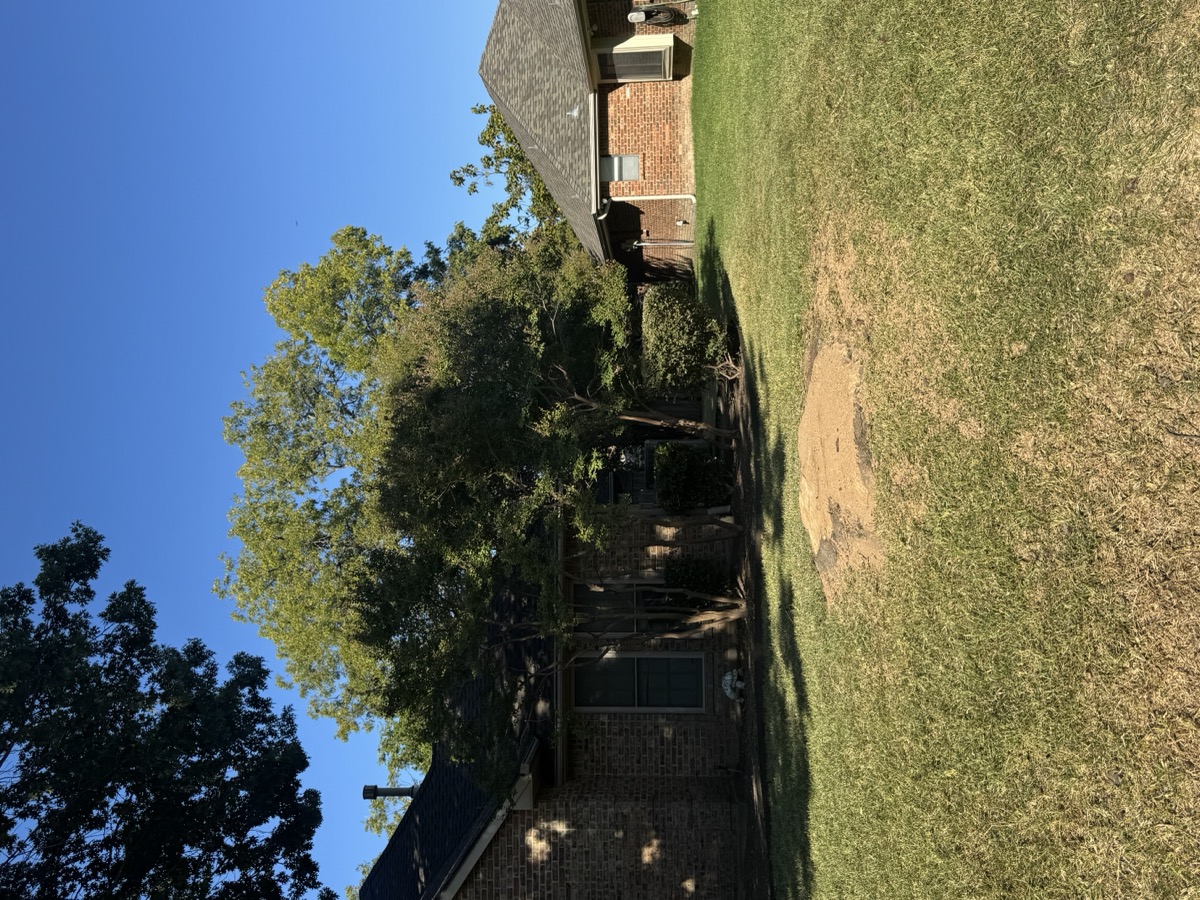
Step 5: Stump options. We can grind the stump the same day in most cases. Some customers want to keep it for a few weeks to decide what they want to plant in that spot. Either way, we'll take care of it whenever you're ready.
When to Remove a Tree
Some signs are obvious. Others take a trained eye. Here are the most common reasons we end up removing trees in the DFW area:
- The tree is dead or clearly dying. No leaves in spring, bark falling off in sheets, mushrooms growing at the base. These are all signs the tree is done.
- Large cavities in the trunk. A small cavity isn't always a death sentence, but if you can fit your fist inside the trunk of the tree, it's lost a significant amount of structural wood.
- The tree is leaning and it wasn't before. Trees that have always grown at an angle are usually fine. But a tree that suddenly starts leaning has root problems and could come down without warning.
- Major limbs are dead. If more than half the canopy is dead wood, the tree is in serious decline. Trimming out the dead won't fix the underlying problem.
- Root damage from construction. If a contractor cut through major roots during a renovation or new build, the tree may look fine now but could fail in the next big storm. Root damage often takes a year or two to show up in the canopy.
- The tree is damaging your property. Roots cracking your foundation, lifting your sidewalk, or invading your sewer line. Branches constantly hitting your roof. At some point, the cost of ongoing repairs outweighs the cost of removal.
- Storm damage beyond recovery. Split trunks, stripped bark, broken leaders. After a major storm, some trees just can't bounce back.
If you're not sure, call us at 817-779-1365. We'll come take a look and give you an honest assessment. Sometimes we tell people their tree is fine and just needs a good trim. We're not in the business of removing trees that don't need it.
Types of Tree Removal
Not every tree comes down the same way. The approach depends on the tree's size, location, and what's around it.
Straight Felling
This is the simplest method. We cut a notch, make a back cut, and the tree falls in a controlled direction. It works great when there's a clear drop zone with plenty of room, like a large open yard or a vacant lot. We use this approach regularly on land clearing jobs in Flower Mound and McKinney where new developments are going in.
Sectional Removal (Climbing)
Most residential removals in established neighborhoods require this approach. Our climber goes up the tree and removes it piece by piece, starting with the outer limbs and working inward and downward. Branches are either dropped into a clear zone below or lowered on ropes when they're near structures, fences, or landscaping. This is the standard approach for backyard trees in neighborhoods across Arlington, Plano, and Southlake where houses are close together.
Crane-Assisted Removal
For very large trees, trees in extremely tight spaces, or trees that are too dangerous to climb, we bring in a crane. The crane operator lifts sections of the tree out while our climber makes the cuts. It's faster, safer, and causes less damage to the surrounding landscape. We've used crane removal on massive pecans in Keller, 80-foot cottonwoods in Dallas, and storm-damaged trees leaning over houses in Allen. It costs more, but for certain jobs it's the only way to do it right.
What Happens After Removal
Once the tree is down and hauled off, you've got options for what to do with the space.
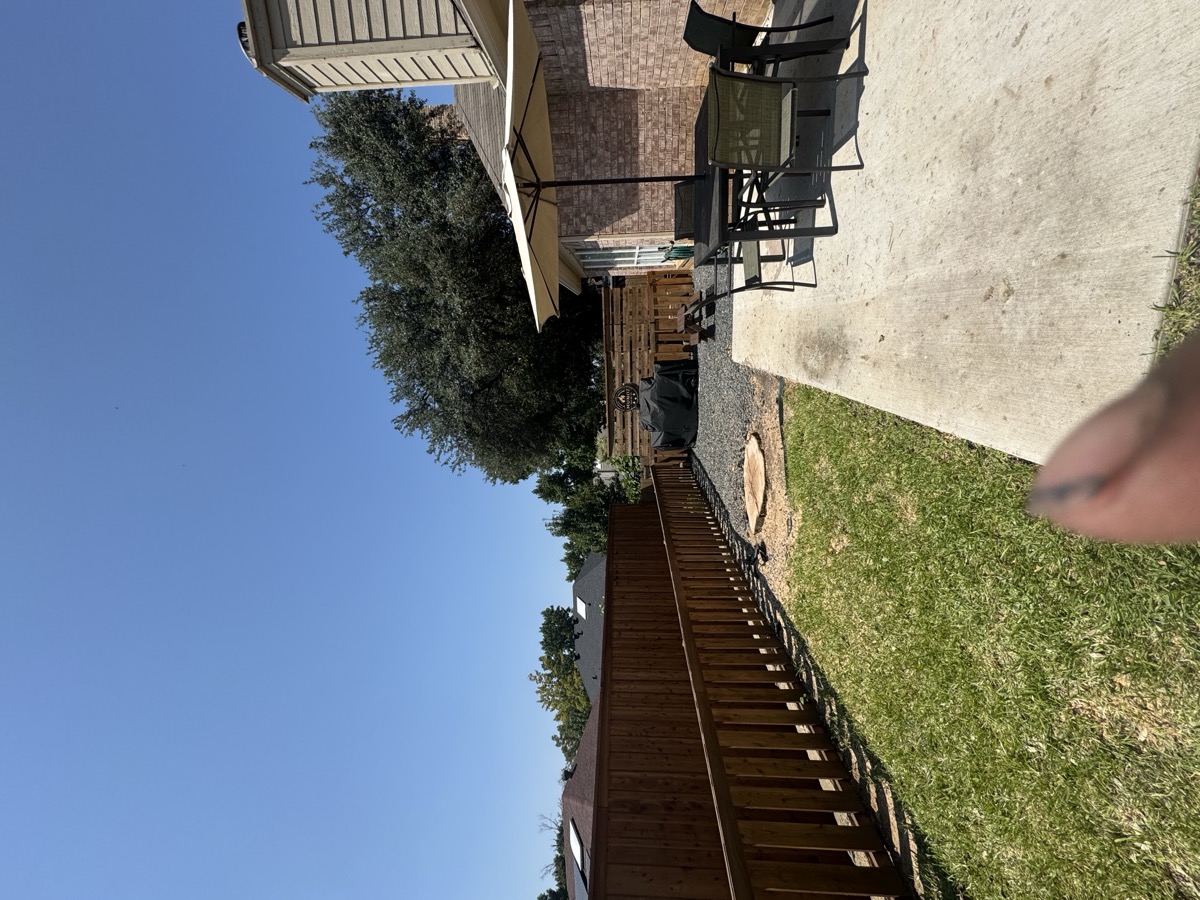
Stump grinding is the most common next step. We grind the stump 6 to 8 inches below grade, mix the grindings with the surrounding soil, and you'd never know a tree was there. Most stumps take 30 to 45 minutes. Big ones can take a couple hours. We offer stump grinding as an add-on to any removal, or as a standalone service if you've got old stumps sitting in your yard.
Replanting is something we always encourage if you've got the space for it. Losing a mature tree is a big deal for your property, both aesthetically and for your energy bills. We can recommend replacement species that work well in North Texas soil and won't cause the same problems as the tree you just removed. A red oak planted in the right spot will give you shade again in five to seven years.
Sod or seed can fill in the bare spot once the stump is ground. If the tree was large, there might be a noticeable depression in the yard after the roots decompose over the next year or two. We can bring in topsoil to level things out and lay fresh sod so the area blends in with the rest of your lawn.
Leaving the wood. Some customers want us to leave the trunk wood, either for firewood or for landscape features. We're happy to buck the trunk into rounds and stack them for you. Live oak and post oak make excellent firewood once they've seasoned for six months.
Frequently Asked Questions
It depends on the size of the tree, its location, and what's around it. A small dead tree in an open yard might run $400 to $800. A large oak between two houses with power lines nearby could be $2,500 to $5,000 or more if a crane is needed. We give free on-site estimates so there are no surprises. Call us at 817-779-1365 and we can usually get out to you within a day or two.
It depends on your city. Some DFW cities like Southlake and Allen have tree preservation ordinances that require permits for removing trees over a certain size. Others don't regulate tree removal on residential property at all. We're familiar with the rules in each city we work in and can let you know during the estimate if a permit is needed.
Most residential removals take half a day. We typically arrive in the morning and are cleaned up by early afternoon. Very large trees or complex crane jobs can take a full day. We'll give you a time estimate when we schedule the work so you know what to expect.
We take precautions to minimize yard damage. We use plywood to protect grass from heavy equipment, and we lower branches with ropes instead of dropping them when they're near landscaping. Some minor turf damage is unavoidable with large removals, but we always rake and clean the area. For crane jobs, we place mats under the outriggers so they don't sink into your lawn.
Yes. We carry full general liability insurance and workers' compensation coverage. We're happy to provide a certificate of insurance before we start work. This matters more than most people realize. If an uninsured company drops a tree on your fence or a worker gets hurt on your property, you could be the one paying for it.
Related Services
Serving Every DFW Community
Green Image provides this service across the Dallas–Fort Worth metroplex. Find local tree care in your city: