Forestry Mulching Services in DFW
Fast, eco-friendly land clearing that turns standing brush and small trees into natural ground cover. No hauling, no burning, no wasted topsoil. Serving residential, commercial, and rural properties across Dallas-Fort Worth.
What Is Forestry Mulching?
Forestry mulching is a single-step land clearing method that uses a specialized machine to grind standing vegetation directly into mulch right where it stands. Unlike traditional clearing where trees are cut down, piled up, and hauled away or burned, forestry mulching handles everything in one pass. The machine drives through the vegetation and processes it on the spot, leaving a layer of organic mulch spread evenly across the ground.
The result is a cleared property with a natural ground cover that protects the soil, prevents erosion, and breaks down over time to feed the earth underneath. There are no burn piles to manage, no trucks hauling debris down your street, and no stripped topsoil left exposed to the next rainstorm. It is one of the most efficient and environmentally responsible ways to clear land, and it is ideal for the soil conditions and terrain we deal with across the DFW metroplex.
How Forestry Mulching Equipment Works
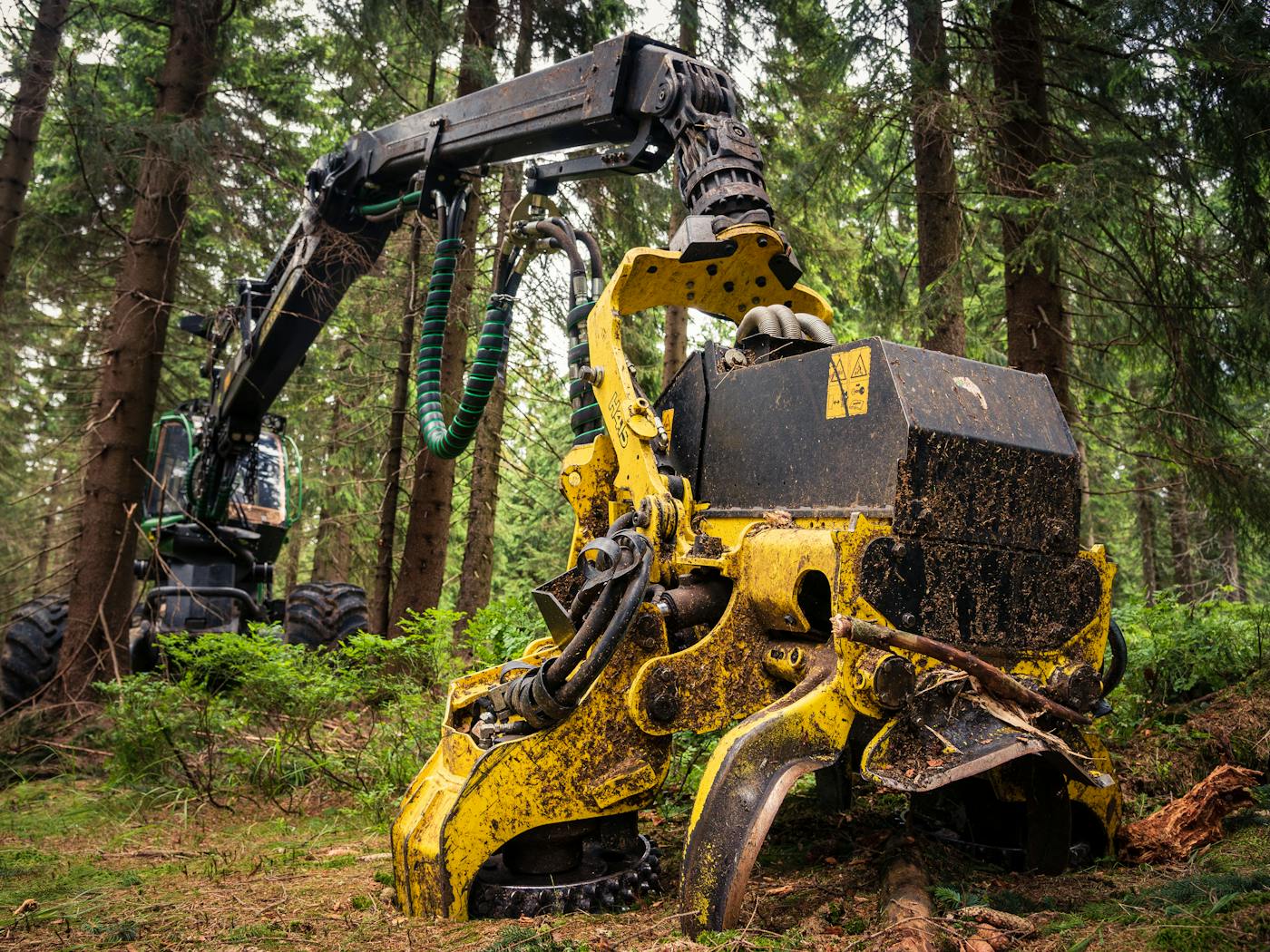
The core piece of equipment is a forestry mulching head, sometimes called a masticating head or a bull hog. This attachment features a large rotating drum fitted with dozens of hardened steel teeth or carbide cutters. The drum spins at high RPM and shreds everything it contacts, including standing trees, brush, vines, stumps, and undergrowth.
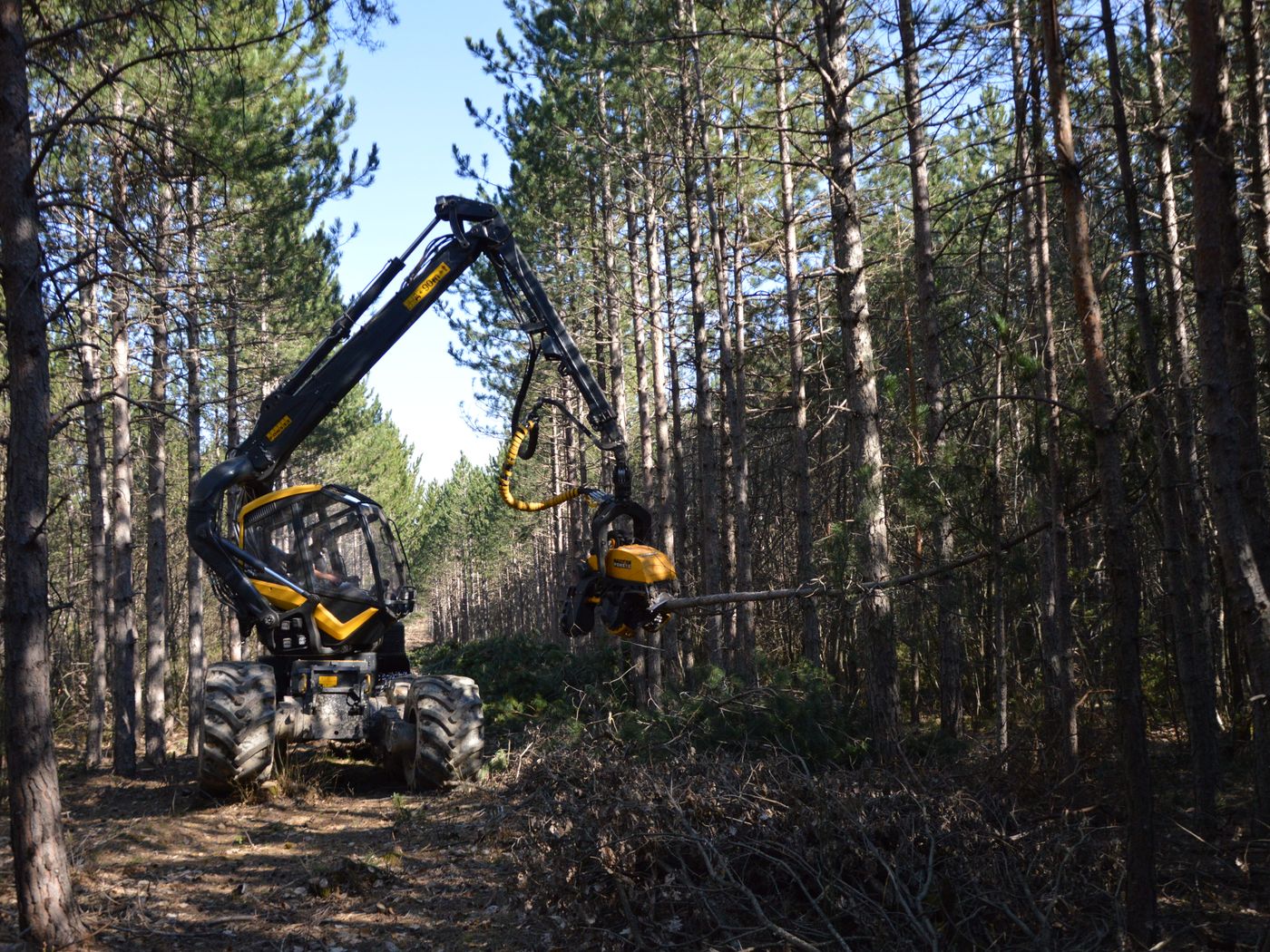
The mulching head is typically mounted on a skid steer, compact track loader, or dedicated forestry carrier. The choice of carrier depends on the terrain and the scale of the job. For tight residential lots in Keller, Southlake, or Plano, we run compact track loaders that can maneuver between structures and navigate narrow access points without tearing up the surrounding yard. For larger rural properties and ranch land around Fort Worth and the outer edges of DFW, we bring purpose-built forestry carriers that can handle steep grades, soft ground, and heavy vegetation without getting stuck.
The operator drives the machine directly into the brush and works methodically across the property. Small trees and thick brush are pushed into the spinning drum and instantly converted to chips and mulch. The processed material is distributed evenly behind the machine, creating a layer typically two to four inches deep. This mulch blanket is what makes forestry mulching so effective. It is not just clearing. It is clearing and ground cover in a single operation.
Forestry Mulching vs. Traditional Land Clearing
If you have been researching land clearing options for your property, you have probably seen both forestry mulching and traditional clearing come up. Here is how they compare, and why forestry mulching wins for the majority of projects we handle in the Dallas-Fort Worth area.
Cost
Traditional clearing involves multiple steps and multiple pieces of equipment. You need a crew to fell trees, a bulldozer to push everything into piles, a burn permit or trucks to haul debris to a landfill, and sometimes a grading crew to smooth things out afterward. Each of those steps adds cost. Forestry mulching consolidates the entire process into one machine and one operator. There are no disposal fees, no hauling costs, and significantly less labor. For most properties in DFW, forestry mulching comes in at a lower total cost than traditional clearing.
Speed
A forestry mulcher can clear an acre of moderate brush in a matter of hours. The same job with a dozer and haul-off crew might take two or three days once you factor in cutting, piling, loading, hauling, and coming back to grade. When you are working on a construction timeline in McKinney or Frisco and every day matters, that speed difference is significant.
Environmental Impact
This is where forestry mulching really separates itself. A bulldozer strips everything, including the topsoil that took decades to build up. That exposed soil erodes during the next rain, clogs drainage systems, and leaves the ground in worse condition than when you started. Forestry mulching preserves the topsoil completely. The root systems stay in the ground to hold the soil in place, and the mulch layer on top acts as a natural erosion blanket. For properties near creeks, drainage easements, or floodplains, which describes a lot of land in Arlington, Fort Worth, and the mid-cities, this matters tremendously.
Benefits of Forestry Mulching
Erosion Control
North Texas soil erodes fast when it is left bare. The clay-heavy soils across much of DFW do not absorb water well, so when a heavy rain hits exposed ground, the topsoil washes away quickly. The mulch layer left behind by forestry mulching acts as a protective blanket. It absorbs the impact of rain, slows water runoff, and gives the soil time to absorb moisture. If your property has slopes, drainage channels, or sits near a creek or floodplain, this erosion control is not just a nice benefit. It is essential.
Soil Health
As the mulch decomposes over the following months, it breaks down into organic matter that enriches the soil underneath. Earthworms, beneficial microbes, and other soil organisms thrive under a mulch layer. If you are clearing a property in Allen or Flower Mound for a future lawn, garden, or landscaping project, the improved soil conditions left behind by forestry mulching give you a better starting point than stripped, compacted dirt.
No Hauling Required
One of the biggest hidden costs in traditional land clearing is debris disposal. Truck after truck of brush and wood chips have to be loaded, driven to a landfill or composting facility, and dumped. Those disposal fees add up fast, especially in the DFW area where landfill tipping fees keep climbing. With forestry mulching, every bit of material stays on your property as useful ground cover. No trucks, no dump fees, no traffic on your street.
No Burning
Burn permits in DFW cities are increasingly difficult to obtain, and many municipalities have banned open burning altogether. Even in unincorporated areas where burning is still allowed, managing a brush burn safely requires constant attention, favorable weather conditions, and coordination with the local fire department. Forestry mulching eliminates the need for burning entirely. The vegetation is processed mechanically and stays on the ground. No smoke, no fire risk, no waiting for the right conditions.
Residential Forestry Mulching Applications
Forestry mulching is not just for large rural properties and commercial developments. Homeowners across DFW use it regularly for a variety of projects that make their property more usable, safer, and better looking.
Backyard Reclamation
If the back portion of your lot in Keller or Southlake has been taken over by volunteer trees, invasive brush, and thick undergrowth, forestry mulching can reclaim that space in a single day. We have cleared overgrown backyards for homeowners who wanted to install a pool, build an outdoor living area, put up a new fence, or simply have a usable yard again. The mulch left behind makes an excellent base for future landscaping or can be left in place as a low-maintenance ground cover.
Fence Line Clearing
Brush and small trees growing along fence lines is one of the most common issues we see on residential properties in the DFW area. That growth damages fences, creates pest habitat, and makes your property line look neglected. Our forestry mulching equipment can run right along the fence line and clear several feet of growth on either side, leaving clean mulch behind and giving your fence room to breathe.
Overgrown Lot Clearing
Bought a vacant lot in Plano, Frisco, or Arlington that has been sitting empty for years? Those lots accumulate brush, volunteer trees, and invasive species fast in the North Texas climate. Forestry mulching clears the lot quickly and leaves it ready for construction, landscaping, or simply holding as a clean piece of property that does not draw code enforcement complaints from the city.
Commercial Forestry Mulching Applications
Developers, builders, and project managers across DFW rely on forestry mulching to keep their projects on schedule and under budget. Here are the most common commercial applications we handle.
Construction Site Preparation
Before foundations go in and dirt work starts, the vegetation has to go. Forestry mulching clears a construction site faster than traditional methods and leaves the ground in better condition for the next phase of work. We regularly clear sites for new home builds, commercial buildings, retail developments, and subdivisions across McKinney, Frisco, Fort Worth, and the surrounding communities.
Utility Easements and Right-of-Way Maintenance
Electric companies, gas utilities, and municipalities need vegetation kept clear along utility easements and right-of-way corridors. Forestry mulching is the preferred method for this work because it clears the growth without disturbing the soil or the underground infrastructure. We can clear narrow corridors precisely and leave adjacent vegetation untouched.
Pipeline Corridors
Pipeline companies operating in North Texas need vegetation cleared from pipeline rights-of-way for inspection access and safety compliance. Forestry mulching handles this efficiently without the soil disturbance that comes with dozer work, which is critical over buried pipelines where ground stability matters. The mulch layer left behind also helps prevent erosion along the corridor between maintenance cycles.
Ranch and Rural Property Clearing
If you own ranch land or a rural property on the outskirts of the DFW metroplex, you already know how fast the brush takes over. One wet spring and suddenly your pasture is disappearing under a wall of cedar, mesquite, and greenbrier. Forestry mulching is the most practical way to take it back.
We clear overgrown pastures, open up sight lines along roads and driveways, create firebreaks, and knock back brush along fence lines and property boundaries. The mulch left on the ground suppresses regrowth and keeps the soil from washing away on slopes and drainage areas. For ranch properties around Keller, Fort Worth, and the rural edges of Tarrant and Denton counties, forestry mulching lets you reclaim usable acreage without the expense and environmental damage of dozer work.
Cedar removal is one of the most requested services on rural DFW properties. Eastern red cedar is invasive, aggressive, and consumes enormous amounts of groundwater. Mulching out cedar stands opens up pasture, improves water availability for remaining native vegetation, and reduces fire risk significantly. If you have a cedar problem on your property, forestry mulching is the fastest and most cost-effective solution.
Best Conditions for Forestry Mulching
Forestry mulching is versatile, but it is not the right tool for every single situation. Here is when it works best and when a different approach might make more sense.
Vegetation Size
Our mulching equipment handles trees up to about eight inches in trunk diameter efficiently. Brush, saplings, small trees, and undergrowth of any density are no problem. If your property has mature trees with trunks larger than eight inches that need to come down, we will fell those separately with chainsaws and remove them before bringing in the mulcher to process everything else. This combination approach gives you the best of both methods.
Terrain
Track-mounted forestry mulchers can handle moderate slopes and uneven terrain. Flat ground is fastest, but we regularly work on rolling terrain and gentle hillsides across the DFW area. Extremely steep slopes or saturated ground where the machine might get stuck or cause soil disturbance are the main limitations. We assess terrain conditions during the estimate and will let you know upfront if any areas of your property need a different approach.
Vegetation Type
Forestry mulching works exceptionally well on the vegetation types common across North Texas: cedar, mesquite, hackberry, privet, brush, vines, and thick undergrowth. Larger hardwoods with dense, heavy trunks are better handled by cutting and removing before mulching the rest. Our crew knows the difference and will plan the job accordingly.
Environmental Benefits and DFW-Specific Considerations
The Dallas-Fort Worth area has unique environmental conditions that make forestry mulching an especially smart choice. The combination of clay soils, intense summer heat, periodic drought, and heavy spring rains creates a challenging environment for any land clearing method. Forestry mulching addresses all of these factors.
Clay soils across Tarrant, Dallas, and Collin counties compact easily when heavy equipment drives over them, especially when wet. Forestry mulchers are lighter than bulldozers and spread their weight over wide tracks, minimizing soil compaction. The mulch layer left behind also keeps the clay from drying out and cracking during summer droughts, which helps preserve soil structure and makes the ground more workable for whatever comes next.
Many properties in the DFW area are near creeks, drainage channels, or floodplains that are subject to stormwater regulations. Traditional clearing that leaves bare soil contributes to sedimentation and runoff. Forestry mulching leaves a protective mulch layer that filters runoff and prevents sediment from entering waterways. If your property in Arlington, Flower Mound, or Fort Worth is near any kind of waterway, this can simplify your compliance with local stormwater management requirements.
From a wildfire prevention standpoint, forestry mulching creates effective defensible space around structures by removing dense brush and ladder fuels. The processed mulch on the ground is far less likely to carry fire than standing dead brush and dry undergrowth. For properties in wooded areas on the edges of DFW where wildfire risk is a growing concern, mulching out the brush around your home or buildings is a smart investment in protection.
How to Prepare Your Property for Forestry Mulching
We handle the heavy lifting, but there are a few things you can do before our crew arrives to make the process go as smoothly as possible.
First, walk the property and mark anything you want to keep. If there are specific trees, garden features, or structures within the clearing area that need to be preserved, mark them with flagging tape or spray paint so our operator can see them clearly. We will also walk the property with you during the estimate to identify keepers.
Second, clear any loose items from the work area. Lawn furniture, garden tools, children's toys, pet houses, and similar items should be moved well away from the clearing zone. Anything left on the ground in the work area is at risk of getting caught in the mulching head.
Third, let your neighbors know. Forestry mulching is loud, and it kicks up dust and debris. A quick heads-up to the neighbors goes a long way toward keeping everyone happy. If we need to access the clearing area from a neighbor's side, we will need permission arranged ahead of time.
Finally, make sure we have clear access to the property. The equipment needs at least an eight-foot-wide access path to get to the work area. If there are locked gates, narrow driveways, or low-hanging utilities that could be an issue, let us know during the estimate so we can plan accordingly.
Frequently Asked Questions
Our forestry mulching equipment can handle trees up to about eight inches in diameter. Anything larger than that is usually better handled with a chainsaw and removed separately before we mulch the remaining brush and undergrowth. During your free estimate we will walk the property and identify any trees that need to be cut first so the mulching process goes smoothly.
Forestry mulching costs in the Dallas-Fort Worth area typically depend on vegetation density, tree size, and terrain. Light brush on flat ground costs less than thick cedar and hardwood on a slope. We provide free on-site estimates so you get an accurate price for your specific property rather than a vague per-acre range that may not apply.
For most properties in DFW, forestry mulching is the better option. It is faster, produces no waste to haul off, preserves topsoil, prevents erosion, and leaves a natural ground cover that suppresses weeds and retains moisture. Traditional clearing with bulldozers makes sense for very large timber or when the ground needs to be stripped to mineral soil for construction, but forestry mulching wins on cost, speed, and environmental impact in the majority of situations.
Most residential properties in the DFW area can be mulched in a single day. A half-acre lot with moderate brush might take four to six hours. Larger properties with denser vegetation take longer, but forestry mulching is still significantly faster than traditional clearing because there is no hauling, no burning, and no waiting for debris removal. We give you a realistic timeline during your estimate.
No. Forestry mulching is one of the most soil-friendly clearing methods available. The mulch layer left behind actually protects your soil from erosion, retains moisture, and adds organic matter as it decomposes. Our operators are experienced at working around trees you want to keep, and the equipment is precise enough to selectively clear brush while leaving desirable trees untouched.
Serving Every DFW Community
Green Image provides this service across the Dallas–Fort Worth metroplex. Find local tree care in your city: