Understanding Tree Root Systems and Why They Matter
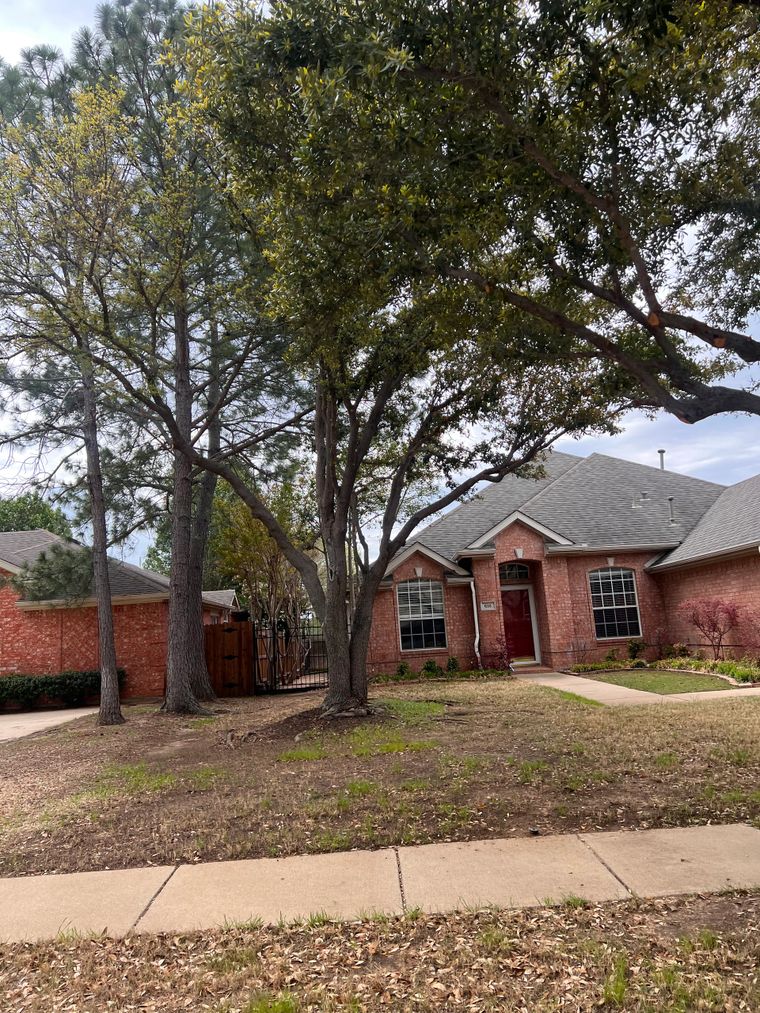
How Tree Roots Actually Work
Most people picture tree roots as a mirror image of the canopy, growing deep underground. In reality, the majority of a tree's roots are in the top 12-18 inches of soil and extend far beyond the drip line — often two to three times the width of the canopy. Understanding this is critical for protecting your trees.
Common Root Damage in DFW
Construction, trenching, soil compaction from heavy equipment, and even changes in drainage patterns can severely damage root systems. DFW's clay-heavy soils make matters worse — they expand and contract with moisture changes, putting additional stress on roots. Girdling roots, which wrap around the base of the trunk, are another common issue that slowly strangles the tree.
Signs of Root Problems
Yellowing or undersized leaves, early fall color, dead branches in the upper crown, and a sudden lean are all signs of root distress. Mushrooms growing at the base of a tree may indicate root decay. If you notice soil heaving or cracking near the trunk, the root plate may be failing.
Protecting Your Tree's Roots
Avoid parking vehicles or placing heavy materials under trees. Keep lawn equipment away from the trunk base. During construction, establish a protection zone that extends beyond the drip line. Root crown excavation by a certified arborist can identify hidden issues before they become emergencies. Contact Green Image Tree Service for a root health assessment.
Need Help With Your Trees?
Green Image Tree Service provides free estimates across DFW.
Get Free Estimate